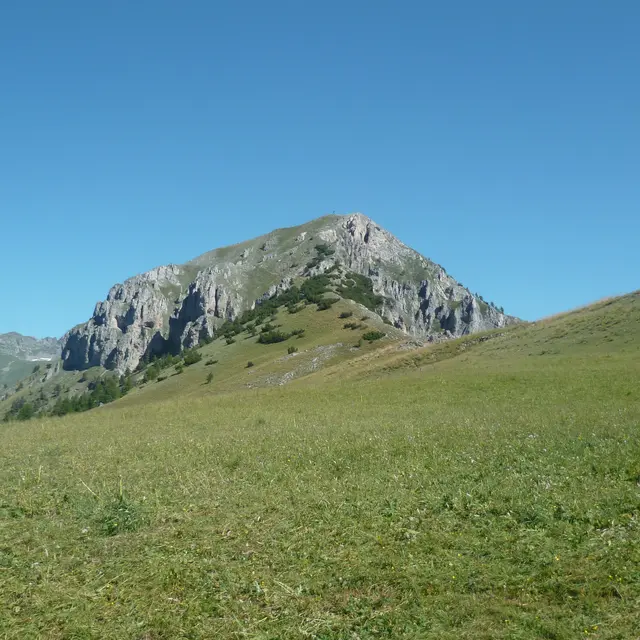
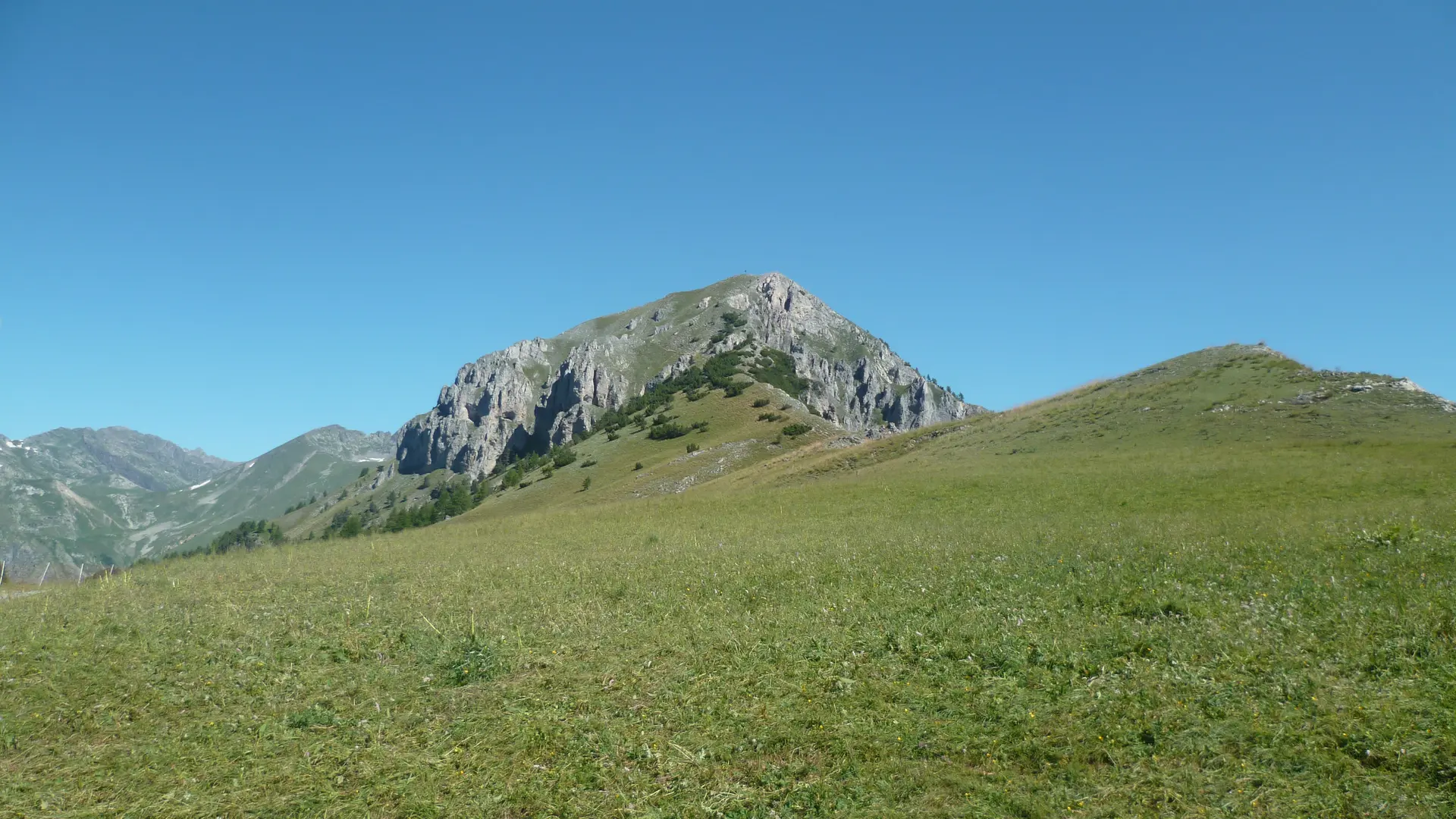
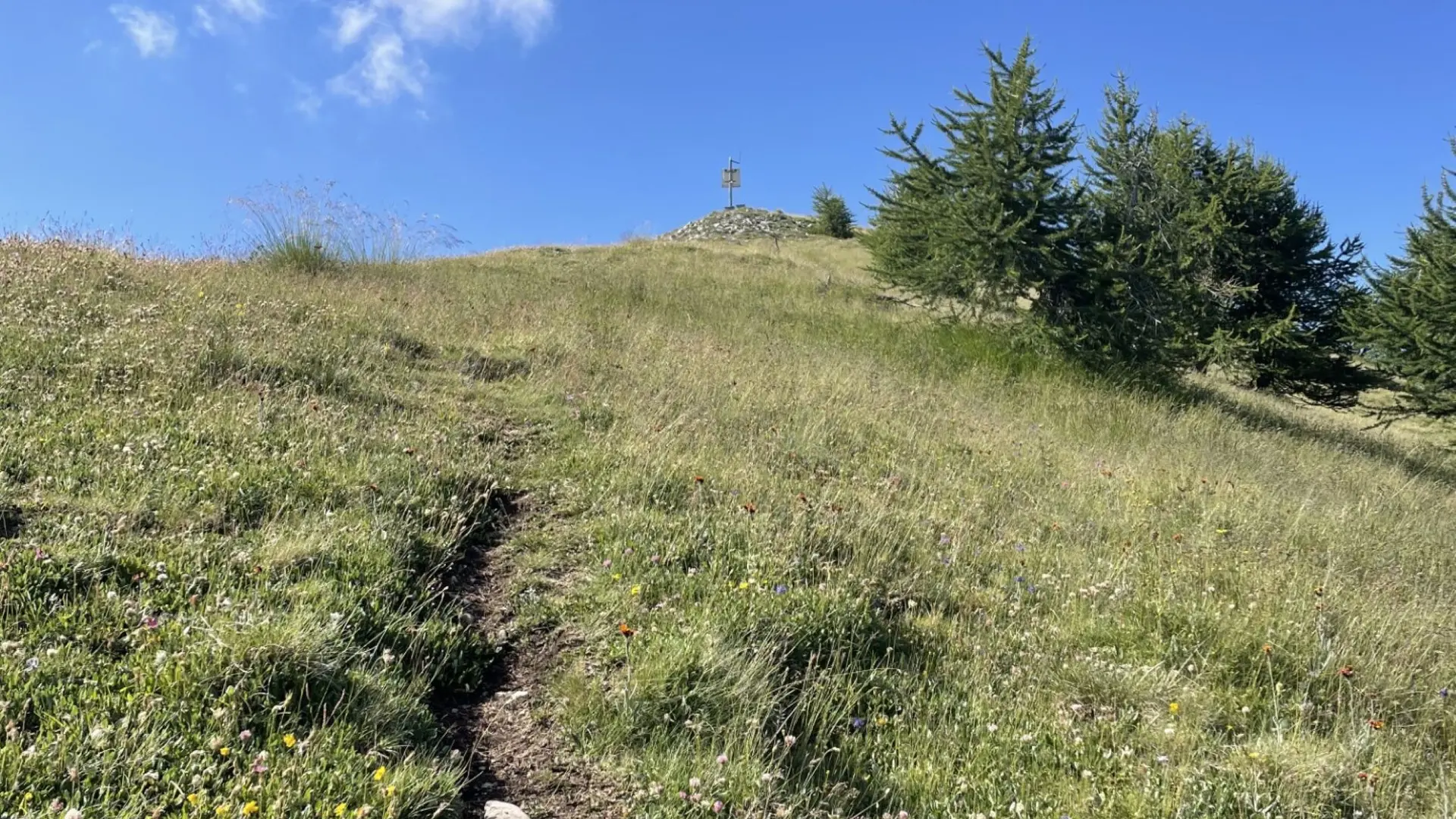
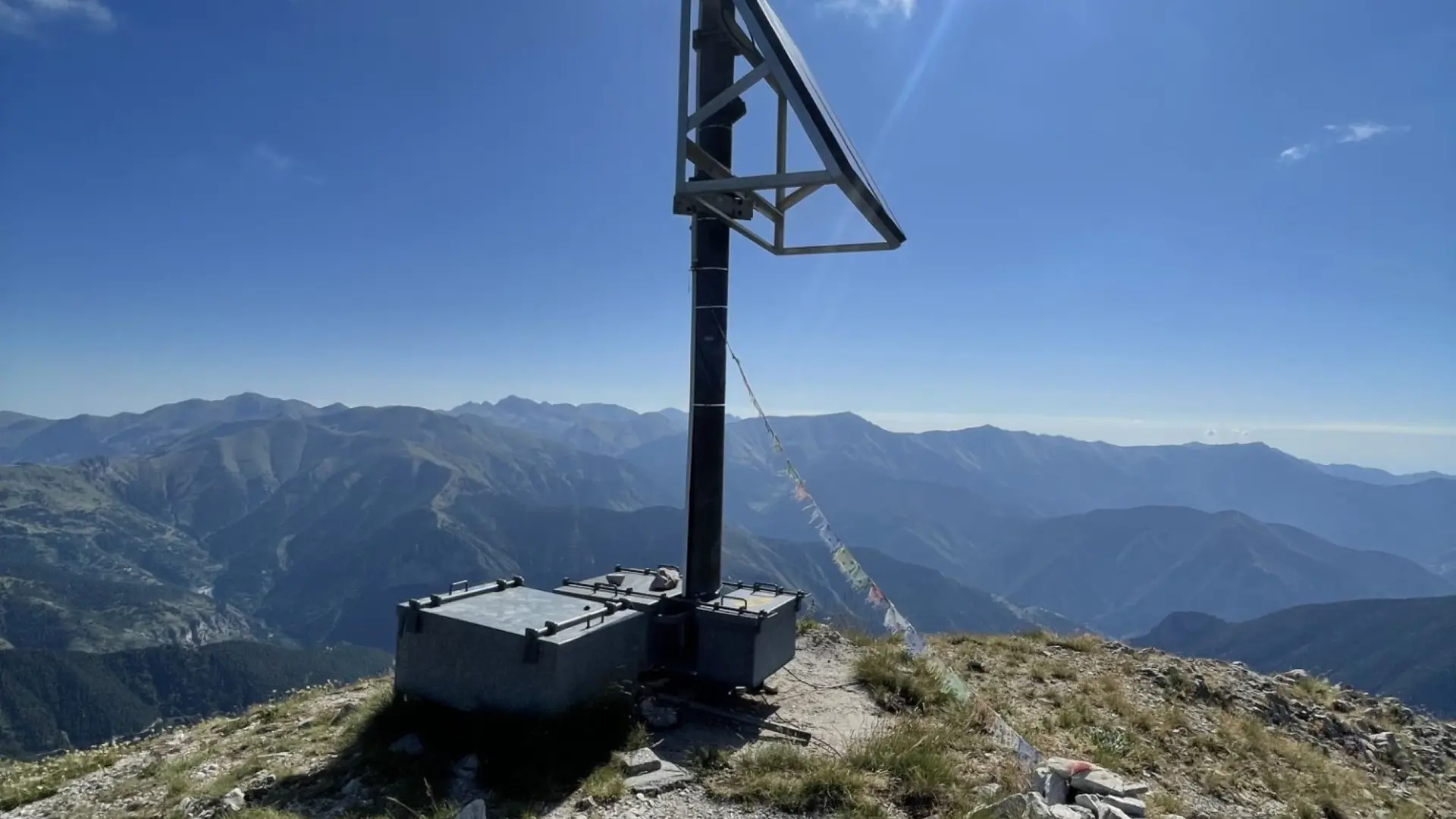
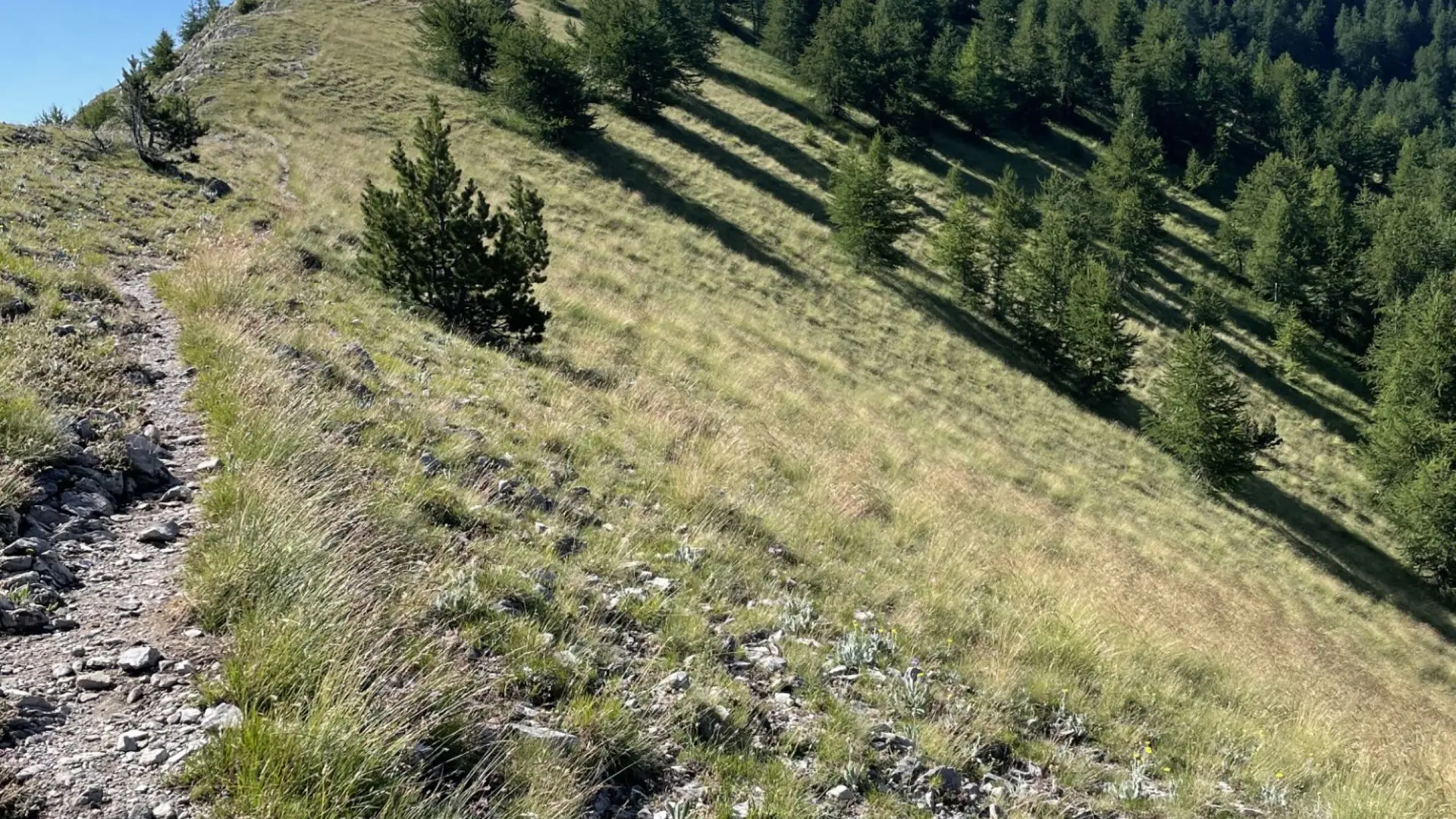
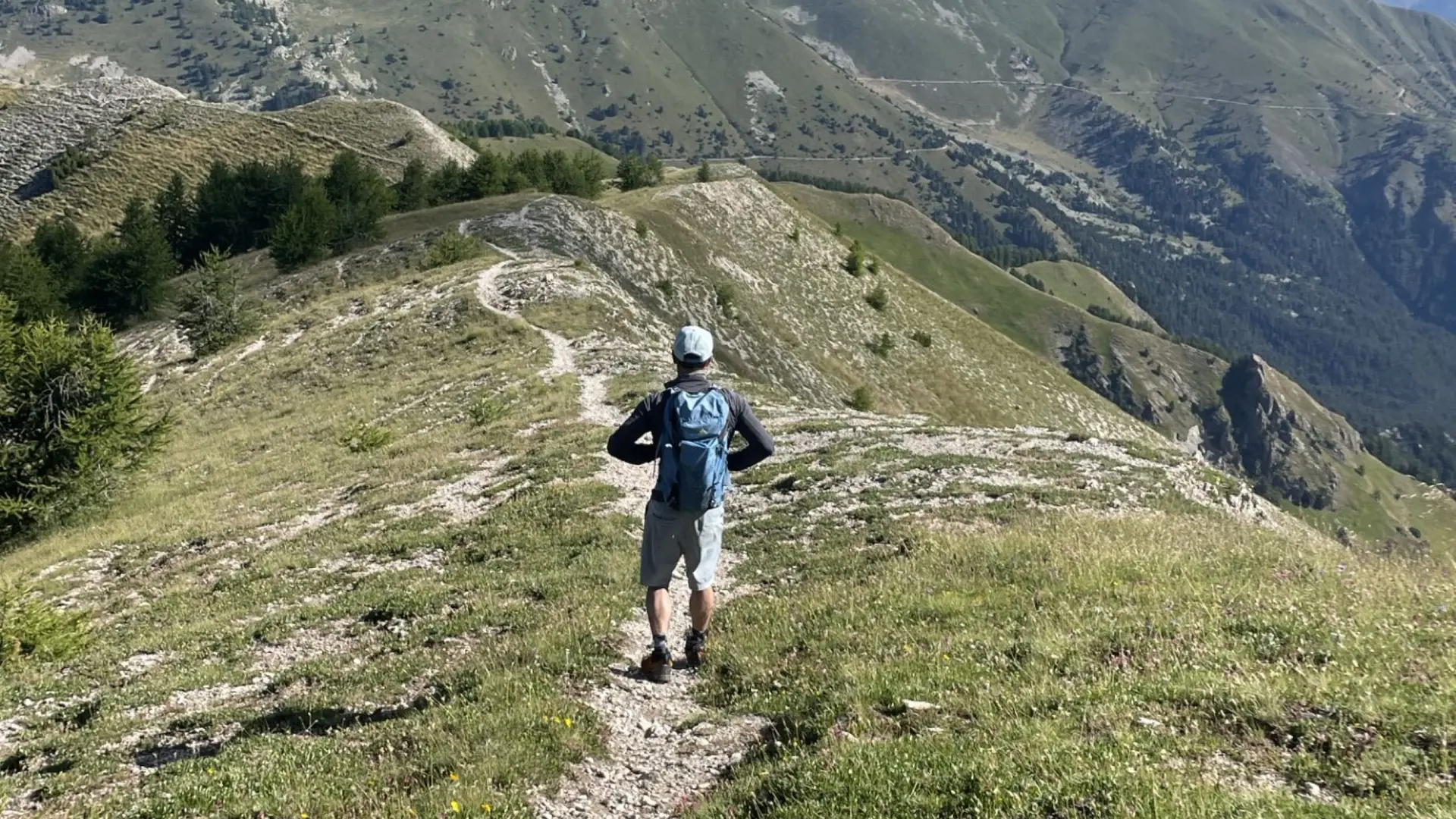
Located in Tende, opposite the hamlet of Casterino, the Mont Chajol Natura 2000 site covers 1426 ha over 8 km. Classified as a Special Area of Conservation in 2010 and a Site of Community Importance in 2013, it offers the chance to discover a protected natural environment.
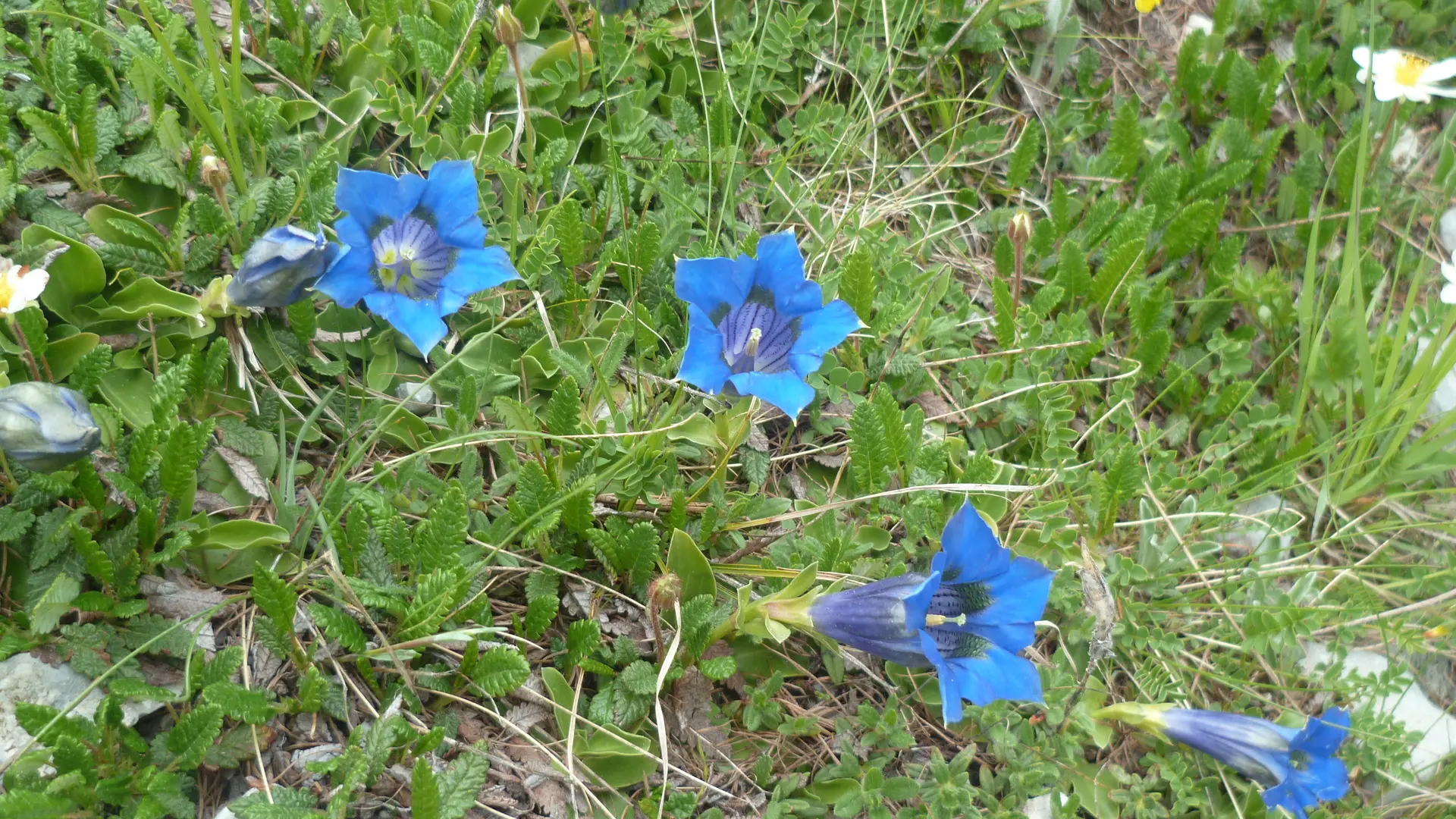
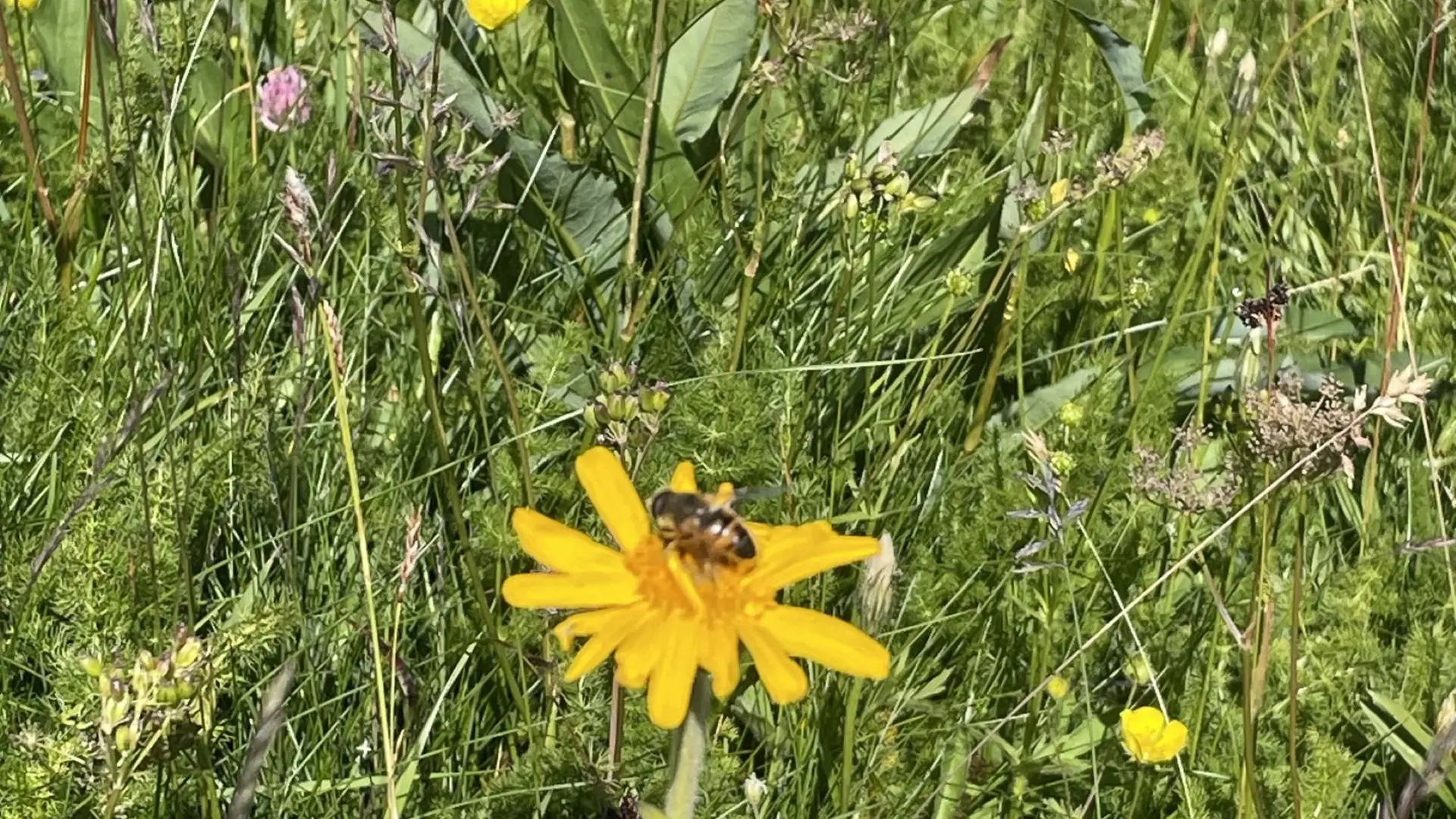
Thanks to its geographical location and Mediterranean climate, the Mont Chajol site is of remarkable interest for its vascular flora. Among the most emblematic plant species are the Ligurian Gentian, a species endemic to the south-western Alps that is particularly well represented on the site, as well as the Green Buxbaumia and Bertoloni's Columbine. The fauna is equally diverse: field inventories have identified three species of chiropteran (Great Rhinolophe, Lesser Rhinolophe and Stilt-eared Murre), one amphibian (Strinati's Spélerpès) and one species of fish (Chabot).
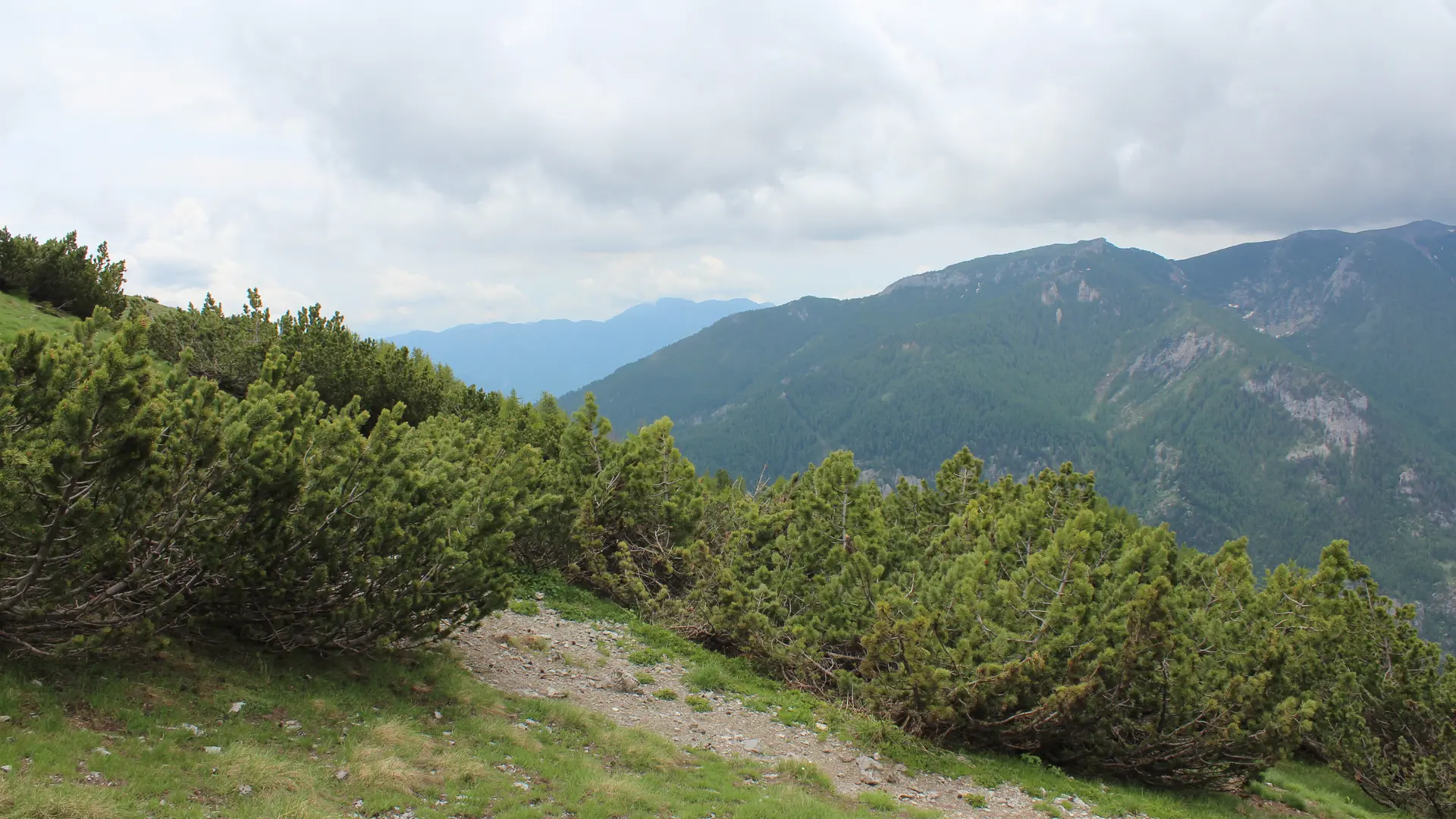
The site includes 18 habitats of Community interest, including 4 priority habitats covering around 63% of its surface area. These priority habitats are mugo pine thickets, which represent the site's main challenge, nard grassland formations, medio-European limestone screes from the collinean to montane levels, and montane and subalpine hooked pine forests. The main conservation efforts will be focused on habitats with a high local value, in particular mugo pine areas - Mont Chajol is a site of national importance for this habitat - and alpine and sub-alpine limestone grasslands.
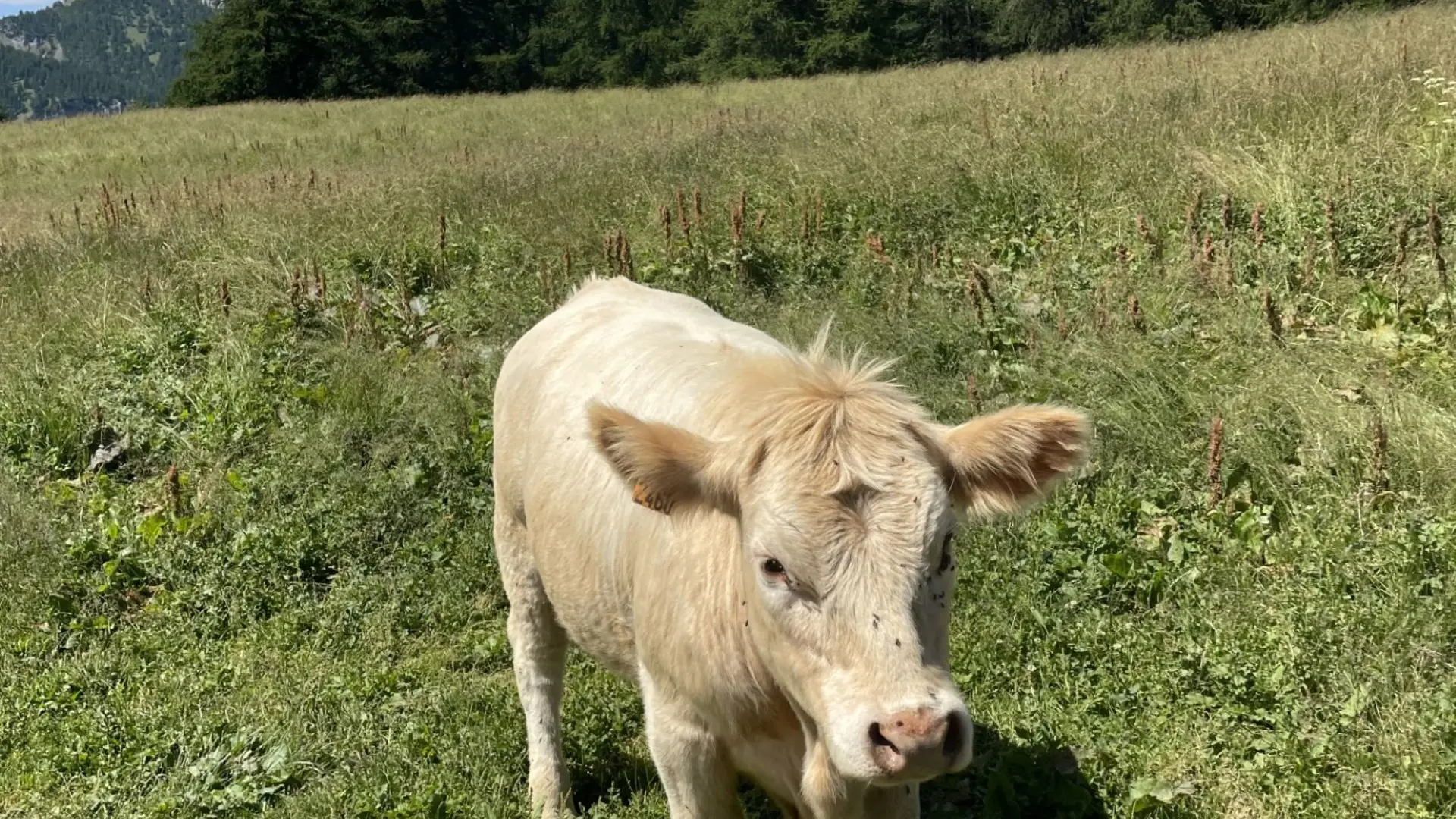
Pastoralism is the dominant human activity on the site. Livestock farming, an ancient cultural heritage, is now enjoying a revival after a period of decline during the Second World War. Mont Chajol is an important summer transhumance area for the Haute Roya. Maintaining this activity is essential to the balance of habitats, particularly for the conservation of open environments. Forest areas also support numerous activities, such as hunting, mushroom picking, sporting activities and logging. The Mont Chajol site has a substantial forest area, almost exclusively within the Tende municipal forest (88%, or 1,257 ha). Finally, tourism plays a major role in the commune of Tende, supported by an exceptional natural and cultural heritage, in particular the presence of the Mercantour National Park and the nearby Vallée des Merveilles. Many mountain activities are practiced here, including hiking, mountain biking, cross-country skiing, climbing and snowshoeing.
The site includes 18 habitats of Community interest, including 4 priority habitats covering around 63% of its surface area. These priority habitats are mugo pine thickets, which represent the site's main challenge, nard grassland formations, medio-European limestone screes from the collinean to montane levels, and montane and subalpine hooked pine forests. The main conservation efforts will be focused on habitats with a high local value, in particular mugo pine areas - Mont Chajol is a site of national importance for this habitat - and alpine and sub-alpine limestone grasslands.
Pastoralism is the dominant human activity on the site. Livestock farming, an ancient cultural heritage, is now enjoying a revival after a period of decline during the Second World War. Mont Chajol is an important summer transhumance area for the Haute Roya. Maintaining this activity is essential to the balance of habitats, particularly for the conservation of open environments. Forest areas also support numerous activities, such as hunting, mushroom picking, sporting activities and logging. The Mont Chajol site has a substantial forest area, almost exclusively within the Tende municipal forest (88%, or 1,257 ha). Finally, tourism plays a major role in the commune of Tende, supported by an exceptional natural and cultural heritage, in particular the presence of the Mercantour National Park and the nearby Vallée des Merveilles. Many mountain activities are practiced here, including hiking, mountain biking, cross-country skiing, climbing and snowshoeing.
Services
Services
Parking nearby
Pets welcome
Educational visits
Tour free of charge
Accessibility
Accessibility
Not accessible in a wheelchair
Rates
Rates
Free access.
—
Openings
Openings
All year 2026 - Open everyday
Location
Location
Contact Natura 2000: Mont Chajol
Spoken languages
Spoken languages
Environment
Environment
- Mountain view
- Panoramic view
- Forest location
- Mountain location
- Isolated
- High mountain