In the Paradise of the Flamingos
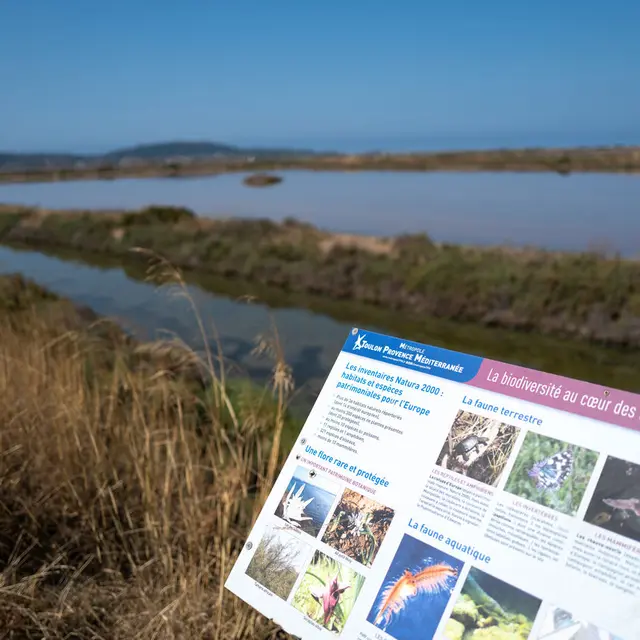
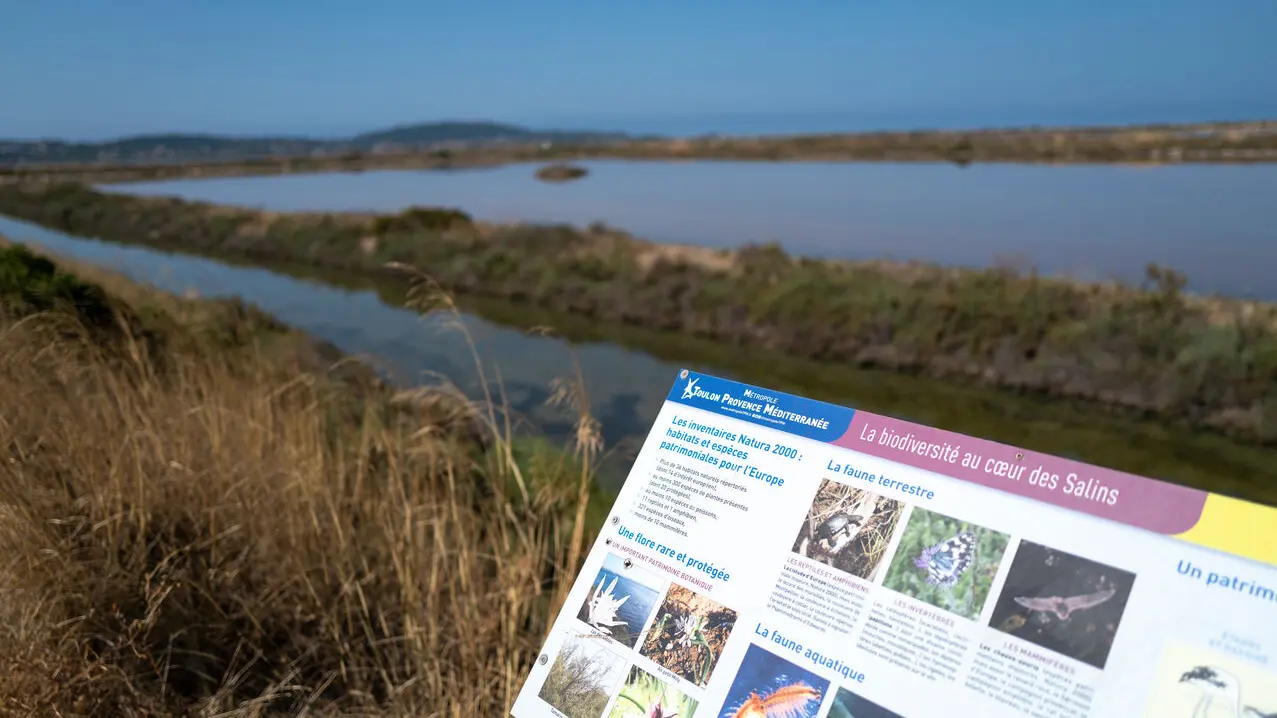
The salt flats are a major site for observing wildlife and flora. They are part of the “Natura 2000” network and are key hotspots for biodiversity.
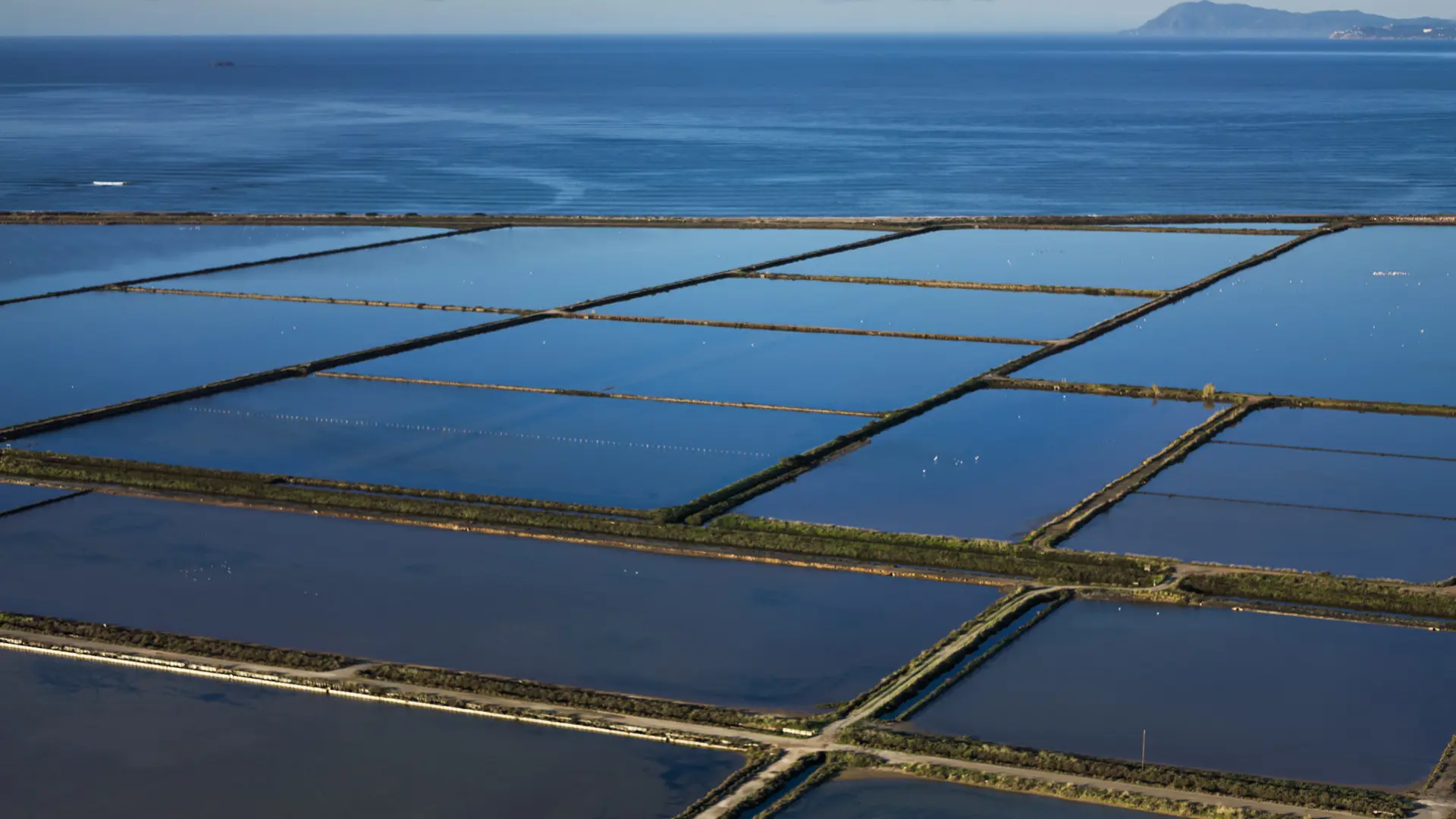
The Hyères salt flats offer an open landscape that contrasts with the hilly terrain of the mainland. The sea, lagoons, abundant sunshine,
and the mistral wind have made this coastline ideal for salt production, which laid the foundation for the city of Hyères with the emergence of the Greek trading post of Olbia.
The old salt flats, nestled at the foot of the Maures Mountains, were known as far back as the Middle Ages, while the Pesquiers salt flat—set within the double tombolo of the Giens Peninsula—has been in operation since 1848. Here, the saltworks offer a landscape of two distinct facets: the beach and dunes on one side, the saltworks on the other. The balance among species contributes to the landscape’s harmony, bearing witness to the natural coastal spaces between land and sea that were once widespread.
Here, visitors discover a mosaic of aquatic ecosystems that vary with salinity: reed beds, tamarisk thickets, salt meadows, and salt marshes where the salicornia turns red at the end of summer. It is worth noting that this diversity of habitats stems from salt production, and that water management practices at these sites are still in place to preserve this natural and cultural heritage.
On certain days in April or May, more than 80 species of migratory birds can be observed. Ringed plovers, stilts, little terns, avocets, and Belon shelducks are among the site’s notable breeding birds. But these remarkable places are also home to some prestigious guests: the flamingos—aristocratic, mysterious, and little-known birds. With their wings spread wide, these large birds offer a spectacle of rare beauty. Studies of banded flamingos have shown the importance of the Hyères salt marshes as a resting and wintering area for these birds.
It is especially during cold snaps that our marshes play a vital role: while the Camargue is often frozen and
emptied of its birds, here—thanks to the mild microclimate—we witness a concentration of birds driven by the cold.
During the pre-breeding migration period, in the fall and winter, you can spot a wide variety of waterbird species. Flamingos, ducks, coots, herons, cormorants, small waders, gulls, terns, and shorebirds can be seen in the Hyères salt marshes as the seasons change. An early morning start, a little attention, and a good pair of binoculars will allow you to admire these magnificent displays. Themed guided tours of the salt flats will help you discover these exceptional sites in the metropolitan area.
Openings
All year 2026 - Open everyday
Location
Sentier du littoral – Balade du Salin de Pesquiers aux Vieux Salins
L'Espace Nature, Rue de Saint-Nicolas Village des Vieux Salins, 83400 Hyères